Sickle Cell Testing Before Marriage in Great Yarmouth: What AA, AS and SS Mean

Table of Contents
Written for Pharmacyexprezz & Pivate Clinic: Reviewed by Waheedat Owodeyi. Superintedent Pharmacist. General Pharmaceutical Council Registraion Number 2065550..
When planning a wedding, it is easy to focus on the venue, outfits and celebrations. But alongside conversations about your future together, there is another important question: Do you and your partner know your sickle cell status?
Sickle cell testing before marriage—and ideally before planning a pregnancy—can help you understand whether you could pass an inherited blood condition on to your children. Someone can carry the sickle cell gene without having sickle cell disease or knowing they are a carrier.
This guide explains what AA, AS and SS mean, how haemoglobin electrophoresis testing works, and why understanding both partners’ results matters.
Knowing your genotype is about making informed choices together—not judging someone’s suitability for marriage.
Priority Access to Haemoglobin & Sickle Cell Testing
Confidential, precise laboratory diagnostics delivered with seamless care.
Reserve AppointmentAA, AS and SS: Understanding the difference between genotype and blood group
People sometimes describe themselves as having “blood type AA” or “blood type AS”. However, these labels refer to haemoglobin genotypes, not the usual blood groups.Your blood group is A, B, AB or O, with a positive or negative Rhesus status, such as O positive. Your haemoglobin genotype describes inherited haemoglobin variants. These are different characteristics, so knowing your blood group does not tell you your sickle cell carrier status.
When booking, ask specifically for haemoglobin electrophoresis or sickle cell genotype testing, rather than a blood-group test alone.
What is haemoglobin electrophoresis?
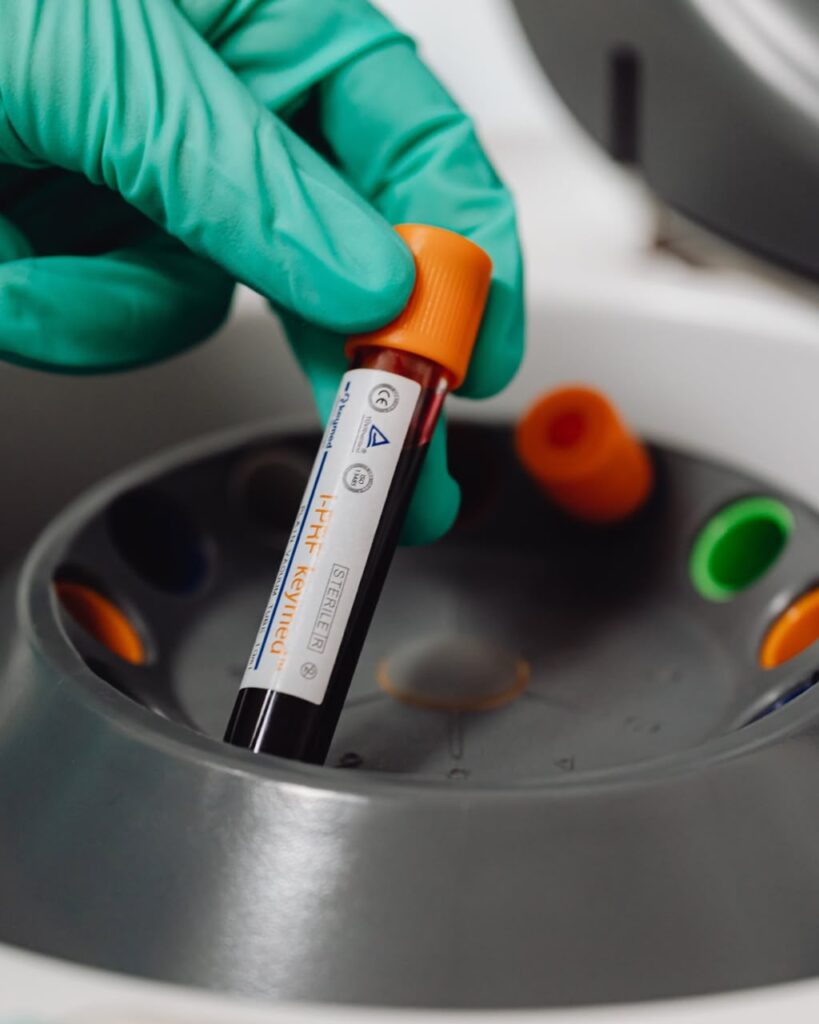
Haemoglobin is the protein in red blood cells that carries oxygen around your body.Haemoglobin electrophoresis is a blood test that separates and measures different types of haemoglobin. It helps identify variants such as haemoglobin S, associated with sickle cell, and haemoglobin C. It is not simply a test of whether your haemoglobin level is low.
The findings help healthcare professionals identify sickle cell trait and investigate sickle cell disease. Sometimes additional tests, including genetic testing, are needed to confirm an unclear result.
Start Your Consultation
Select your preferred method to schedule or inquire.
Why is sickle cell screening particularly important in Black African communities?
Sickle cell disease is particularly common in people with an African or Caribbean family background. Making genotype screening part of conversations about marriage and family planning can therefore be especially valuable in Black African communities.However, anyone can carry the sickle cell gene. People from other backgrounds, including those in mixed-heritage relationships, should not assume that testing is irrelevant to them.
Sickle cell disease can cause severe painful episodes, anaemia and an increased risk of serious infections. People living with the condition need ongoing care, although treatment helps manage many of its effects.The aim of screening is awareness and support—not fear, blame or stigma. A person’s genotype does not define their worth, their relationship or their future.
What do AA, AS, AC, SS and SC mean?
These are common haemoglobin genotype labels. The explanations below draw on NHS screening guidance and recognised definitions of sickle cell conditions.
| Genotype | Simple Explanation |
|---|---|
| AA | Two usual haemoglobin A gene variants. The person does not carry the sickle cell S variant. |
| AS | Sickle cell trait. The person has one A variant and one S variant. They are a carrier, rather than someone with sickle cell disease. |
| AC | Haemoglobin C trait. The person has one A variant and one C variant. This is not sickle cell disease, but it matters when assessing a couple’s inheritance risks. |
| SS | Sickle cell anaemia, a form of sickle cell disease. The person has inherited an S variant from each biological parent. |
| SC | A form of sickle cell disease. The person has inherited an S variant from one biological parent and a C variant from the other. |
Sickle cell disease is not limited to SS. It also includes SC and sickle beta-thalassaemia, among other forms. Your full laboratory report should therefore be reviewed rather than relying only on a simplified “AA or SS” description.
Why should both partners understand their results?
A child inherits one relevant gene variant from each biological parent. This means the chance of a child inheriting a haemoglobin condition depends on both parents’ results, not just one person’s status. Two carriers may have a child with sickle cell disease even though neither parent has the disease themselves.The following examples are calculated from this inheritance pattern. They assume the genotypes have been accurately confirmed and describe the chances for each pregnancy.
| Parents’ Genotypes | Possible Outcomes (Per Pregnancy) |
|---|---|
| AA + AA | 100% AA |
| AA + AS | 50% AA and 50% AS. No SS outcome from this combination. |
| AA + SS | 100% AS: children would inherit sickle cell trait, rather than SS disease. |
| AS + AS | 25% AA, 50% AS and 25% SS. |
| AS + SS | 50% AS and 50% SS. |
| AS + AC | 25% AA, 25% AS, 25% AC and 25% SC. SC is a form of sickle cell disease. |
For two AS carriers, the 25% chance of an SS child applies independently to every pregnancy. It does not mean that exactly one out of every four children will have the condition, or that an earlier child’s result changes the next pregnancy’s chances.
These figures describe haemoglobin inheritance, not a guarantee about a child’s overall health.
Book Online
Select your date, time, and clinic location instantly via our secure booking portal.
Speak to Our Team
Need assistance or pricing verification? Connect with our clinical team directly.
What happens if both partners are carriers?
Finding out that both partners carry relevant haemoglobin variants can feel worrying. Ask your GP about a referral for genetic counselling to understand your combined results and family-planning options. Discussions may cover testing during pregnancy, donor eggs or sperm, and adoption.Some couples may consider IVF with pre-implantation genetic testing for monogenic conditions, known as PGT-M. This involves testing embryos for a particular inherited condition before an embryo is transferred. It requires further assessment and IVF, even when a couple has no fertility difficulties.
There is no single right decision for every couple. You should have the opportunity to consider your choices with clear information, respect for your beliefs and freedom from pressure.
What happens during a haemoglobin electrophoresis appointment?
A healthcare professional takes a small blood sample, usually from a vein in your arm, for laboratory analysis. You may feel a brief sting, and minor bruising can occur afterwards.
Fasting is generally not required for haemoglobin electrophoresis alone, but follow the clinic’s instructions if you are having other tests at the same appointment.
Tell the clinician if you have had a blood transfusion within the previous 12 weeks, because this can affect the results. Bring any previous haemoglobin or genotype reports for review. For patients who already have a test kit from another provider, our separate blood sample collection at Pharmacyexprezz service provides collection only. The test and results come from the kit provider, so please make clear which service you need when booking.
Can haemoglobin electrophoresis rule out sickle cell disease?
Haemoglobin analysis can help establish whether you have sickle cell trait or sickle cell disease, but your results need appropriate clinical interpretation. An unclear result may require further investigation or genetic testing.It is not a general screen for every inherited health condition. For couples planning a family, the important question is not only, “Do I have sickle cell disease?” It is also, “Am I a carrier, and what do my partner’s results mean alongside mine?”
Already married or pregnant? It is still worth checking
You do not need to be engaged to consider testing. Blood tests can check sickle cell status at any age, including after marriage or before having another child.
In England, screening for sickle cell and thalassaemia is offered during pregnancy, ideally before 10 weeks. If you are already pregnant and do not know your status, speak to your midwife or GP promptly. Screening can still be arranged later in pregnancy, so do not assume you have missed the opportunity.
Sickle cell genotype testing in Great Yarmouth: price and results
At Pharmacyexprezz, the haemoglobin electrophoresis blood test costs £129 per person. A separate £30 phlebotomy fee applies for taking your blood sample, bringing the current total to £159 per person.
Pricing Breakdown
Expected results turnaround: 48–72 hours. This is an estimated timeframe rather than a guarantee.
The sample-collection fee is charged once per visit, even when several tests are taken at the same appointment. You can view our blood test prices for general pricing information.
Prices are subject to change. Please contact our team to confirm the latest test price, total cost, appointment availability and expected turnaround before booking.
You can also request a free sickle cell carrier blood test through your GP or a sickle cell and thalassaemia centre.
AA AS SS explained, blood tests in Great Yarmouth, family planning, haemoglobin electrophoresis, pharmacyexprezz, pre-marriage screening, sickle cell genotype, Sickle cell testing