Needle Stick Injury: What Should You Do? A Complete Guide to Blood Testing After Exposure

Table of Contents
Written for Pharmacyexprezz & Pivate Clinic: Reviewed by Waheedat Owodeyi. Superintedent Pharmacist. General Pharmaceutical Council Registraion Number 2065550..
A needle stick injury can happen in seconds, whether you’re a healthcare professional, care worker, beauty therapist, tattoo artist, cleaner, first aider or a member of the public. While many injuries carry a low risk of infection, prompt action is essential to protect your health.
One of the most important steps after a needle stick injury is timely blood testing and, where appropriate, urgent medical assessment.
At PharmacyExprezz, we provide confidential blood testing in Great Yarmouth for patients across Norfolk, helping individuals and employers access rapid blood tests and occupational health services following accidental exposure.
What is a needle stick injury?
A needle stick injury occurs when a used needle or other sharp object accidentally punctures the skin.
Although many exposures do not result in infection, every needle stick injury should be assessed promptly.
What should I do immediately after a needle stick injury?
If you’ve been injured, follow these steps:
Wash the wound immediately
Wash the area thoroughly with soap and running water. Do not scrub aggressively or use harsh chemicals.
Allow gentle bleeding
If the wound bleeds naturally, allow it to do so briefly. Do not squeeze the wound forcefully.
Cover the injury
Apply a clean waterproof dressing.
Report the incident
If the injury happened at work, report it immediately to your employer and follow your workplace exposure policy.
Seek urgent medical advice
If the source is known or there is a risk of exposure to blood-borne viruses, seek immediate assessment. Some people may require urgent treatment, such as post-exposure prophylaxis (PEP) for HIV, which is most effective when started as soon as possible.
Why is blood testing important after a needle stick injury?
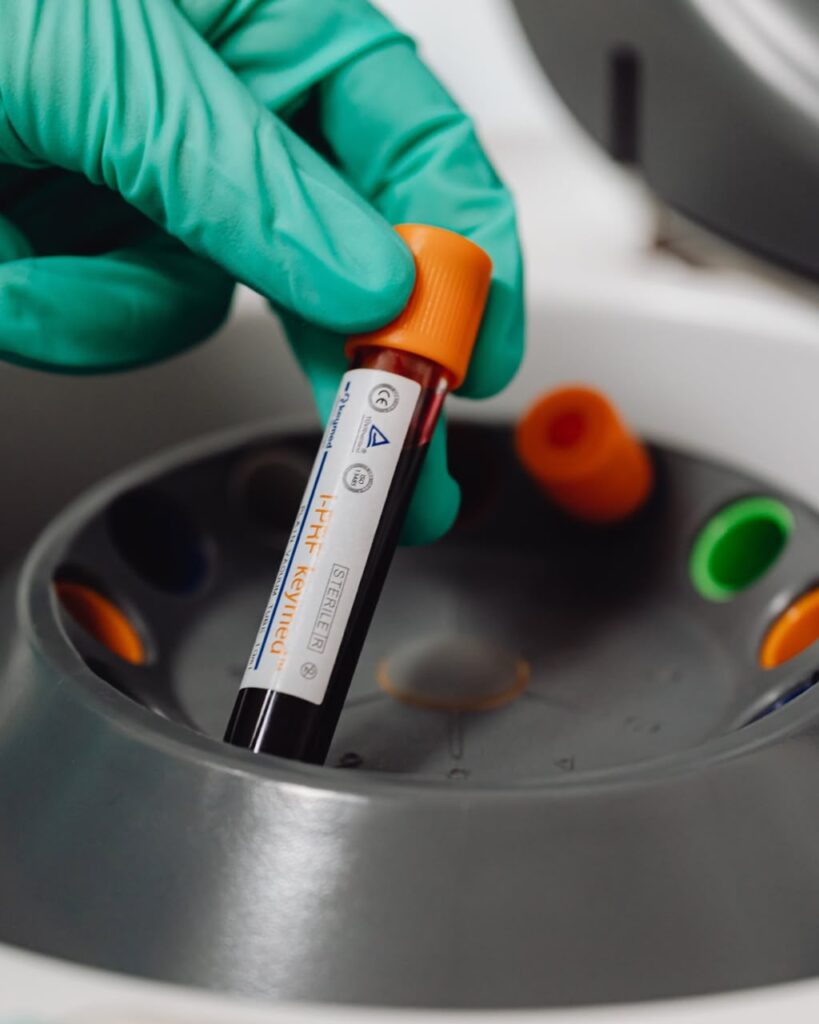
Blood tests provide a baseline and help detect infections that can occasionally be transmitted through contaminated blood. Testing may include:
- HIV
- Hepatitis B
- Hepatitis C
Because some infections are not detectable immediately after exposure, follow-up blood tests may also be recommended.The timing of these tests depends on the circumstances of the injury and current clinical guidance.
Which infections can be transmitted?
Hepatitis B
Hepatitis B affects the liver and can be transmitted through infected blood.
If you’ve completed a Hepatitis B vaccination course, your risk may be significantly reduced.
If you’re unsure whether you’re protected, your healthcare professional may recommend blood tests to assess your immunity.
Hepatitis C
Hepatitis C can also affect the liver.
Many people have no symptoms initially, making blood testing particularly important after significant exposure.
Early diagnosis allows access to highly effective treatment.
HIV
The risk of HIV transmission after a needle stick injury is generally low but depends on the nature of the exposure.
Urgent assessment is important because PEP may be recommended in some circumstances.
Which blood tests might I need?
Depending on your individual situation, testing may include:
HIV 1 & 2
Hepatitis B surface antigen
Hepatitis B antibody levels
To assess immunity where appropriate
Hepatitis C antibody
Additional tests
If clinically indicated based on consultation
What if I don’t know where the needle came from?
Discarded needles found in public places often cause understandable anxiety.
Although the overall risk of acquiring a blood-borne virus from a community needle is considered very low, it is still important to seek professional advice so your individual circumstances can be assessed.
Do I need a Hepatitis B vaccine?
If you work in a profession with potential exposure to blood or body fluids and have not been vaccinated, a Hepatitis B vaccination course may be recommended. Many employers arrange vaccination for healthcare workers, care staff, dental professionals, first responders and others at occupational risk.
Needle Stick Injuries in the Workplace
Needle stick injuries are one of the most common occupational health incidents in healthcare and related professions. Employers should have procedures in place for:
Immediate first aid
Risk assessment
Incident reporting
Blood testing
Follow-up care
Vaccination where appropriate
PharmacyExprezz supports businesses across Norfolk with occupational health blood testing and workplace screening services.
Why choose PharmacyExprezz?
We understand that a needle stick injury can be stressful. Our experienced healthcare team provides confidential, professional support to help you access appropriate testing quickly.
We offer:
Frequently Asked Questions
Is every needle stick injury an emergency?
Not every injury carries the same level of risk, but all should be assessed promptly. If there is any possibility of exposure to blood-borne viruses, seek medical advice without delay.
How soon should I have blood tests?
An initial blood test is often performed as soon as possible after the injury, with follow-up tests at recommended intervals if needed.
Can PharmacyExprezz carry out blood tests after a needle stick injury?
Yes. We provide confidential blood testing and occupational health services following needle stick injuries. If urgent hospital assessment or PEP is indicated, we will advise you to attend the appropriate NHS service immediately.
Can I arrange blood tests for my employees?
Yes. We work with healthcare providers, care homes, pharmacies, dental practices, beauty clinics and other businesses, providing occupational health blood testing and Hepatitis B vaccination programmes.
blood borne virus testing, blood test after needlestick, hepatitis b after needlestick, hiv testing after exposure, needle stick injury, needle stick injury protocol, needlestick injury, occupational health blood test, pharmacyexprezz