Low Testosterone: Symptoms, Testing & Treatment

Table of Contents
Written for Pharmacyexprezz & Pivate Clinic: Reviewed by Waheedat Owodeyi. Superintedent Pharmacist. General Pharmaceutical Council Registraion Number 2065550..
Low Testosterone symptoms include low energy, reduced libido, difficulty building muscle, or a general sense that something is off. This condition is more common than many men realise and, importantly, straightforward to test for. Here is what to look out for and how testing works.
What Testosterone Actually Does
Testosterone is the main male sex hormone, produced mainly in the testes. It is involved in far more than just libido and muscle mass, playing a role in mood, energy levels, bone density, red blood cell production, and cognitive function. Levels naturally decline with age, typically from around the age of 30 onwards, but a drop that is steeper or earlier than expected can cause noticeable symptoms.
Signs of Low Testosterone
None of these symptoms are unique to low testosterone on their own, which is exactly why testing is useful rather than guessing based on symptoms alone.
How Testosterone Testing Works
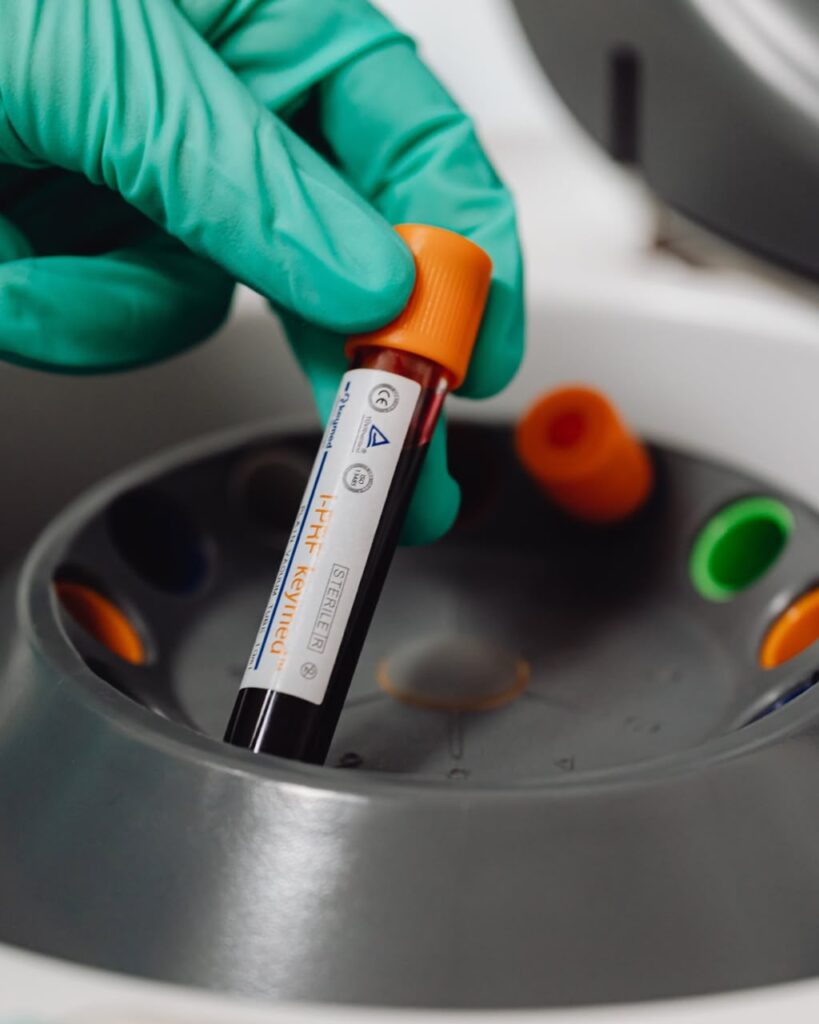
A Testosterone Profile Plus blood test measures total and free testosterone, along with albumin and sex hormone binding globulin, a protein that affects how much testosterone is available for your body to use. Because testosterone naturally follows a daily rhythm, peaking in the morning, testing is usually done earlier in the day for the most accurate result.
A single low reading is not always enough to confirm a diagnosis, since levels can fluctuate with illness, stress, and poor sleep. Your clinician will explain whether a repeat test or further investigation is worthwhile based on your result and symptoms.
What Happens If Levels are Low
Not every low result needs treatment. Lifestyle factors such as poor sleep, excess body weight, high stress, and heavy alcohol use can all lower testosterone, and addressing these can sometimes bring levels back up without medication. Where levels are persistently low alongside clear symptoms, testosterone replacement therapy may be discussed, though this requires careful clinical assessment and is not appropriate for everyone.
Testosterone FAQs
What does the Testosterone Profile Plus test include?
What time of day should I get tested?
Can low testosterone cause erectile dysfunction?
Is testosterone replacement therapy right for everyone with low levels?
Can lifestyle changes improve testosterone naturally?
low libido testosterone, low t symptoms, low testosterone, low testosterone symptoms, low testosterone treatment, male hormone imbalance, pharmacyexprezz, testosterone deficiency, testosterone levels, testosterone test