Fertility Blood Test in Norfolk: What Can It Tell You?

Table of Contents
Written for Pharmacyexprezz & Pivate Clinic: Reviewed by Waheedat Owodeyi. Superintedent Pharmacist. General Pharmaceutical Council Registraion Number 2065550..
Understanding fertility can involve looking at several different factors, and blood tests can provide useful information about hormones involved in reproductive health. A fertility blood test can measure specific hormones and other markers that may provide information about ovulation, ovarian function and reproductive health. The exact tests used depend on what is being investigated and, in some cases, the stage of the menstrual cycle.
If you are considering a fertility blood test in Norfolk, knowing what these tests can and cannot tell you can help you understand why particular hormones are measured and what your results may mean.
Click Here to view Blood Test Prices
What Is a Fertility Blood Test?
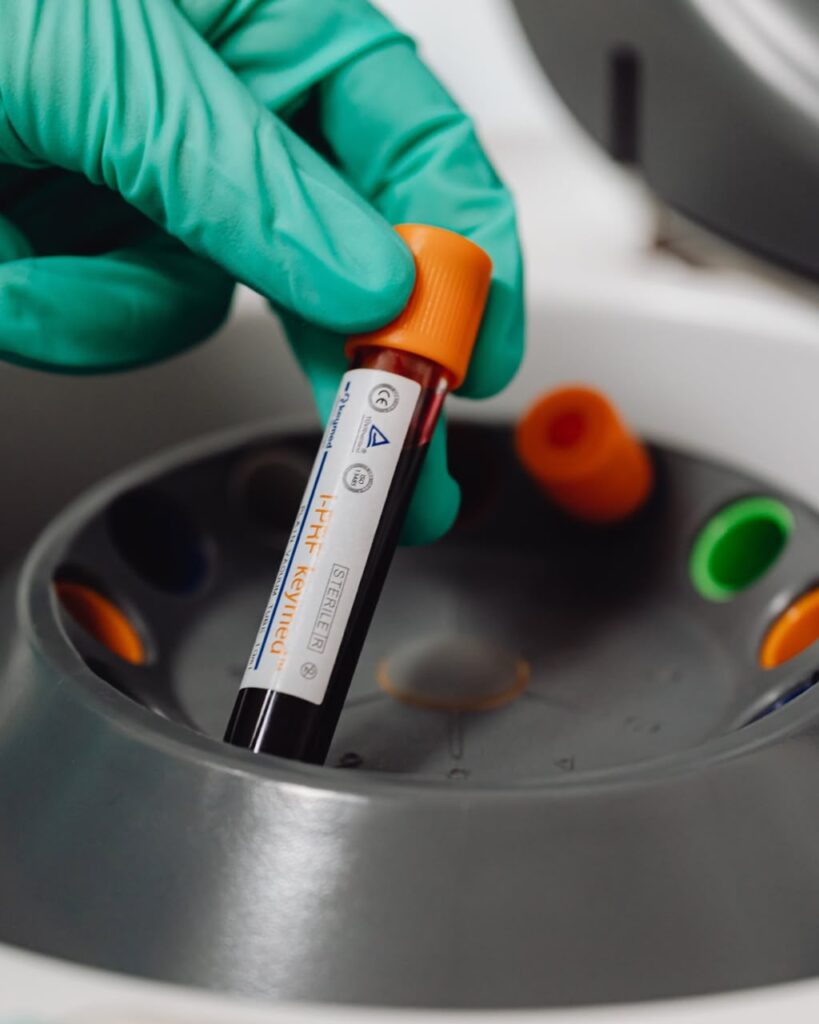
A fertility blood test is a blood test used to measure hormones and other biological markers associated with reproductive health. Fertility testing can involve several different hormones. The tests selected may depend on factors such as your age, menstrual cycle and the reason for testing.
Blood testing may be used to investigate whether ovulation is occurring, assess certain aspects of ovarian function or identify hormonal patterns that could affect fertility. However, fertility is complex. A blood test cannot provide a complete assessment of someone’s ability to become pregnant on its own.
What Can a Fertility Blood Test Check?
Depending on the tests included, fertility blood testing can provide information about several aspects of reproductive health.
Common fertility-related blood tests may measure:
Not every fertility blood test includes all of these hormones.
Some tests are also more useful at particular points in the menstrual cycle. For example, progesterone testing can be used to help assess whether ovulation has occurred.
Take Control of Your Hormone Health
Private fertility blood testing at Pharmacyexprezz • No GP referral needed
Which Hormones Are Tested for Fertility?
Different hormones provide different pieces of information.
Anti-Müllerian Hormone
Produced by developing follicles to estimate ovarian reserve. Note: AMH indicates remaining egg quantity, not direct fertility or guaranteed pregnancy.
Follicle-Stimulating Hormone
Drives ovarian follicle development during the menstrual cycle. Measured to evaluate overall ovarian function.
Luteinising Hormone
Triggers ovulation and egg release. Tracking LH surges provides critical information on cycle timing.
Oestradiol
A crucial form of oestrogen tested alongside companion hormones to evaluate ovarian activity and lining growth.
Progesterone
Elevates following egg release. Testing at specific cycle intervals helps confirm successful ovulation.
Prolactin
Regulates breast development and lactation. High levels can disrupt cycle regularity and ovulation.
Thyroid-Stimulating Hormone
Evaluates thyroid performance. Healthy thyroid levels are essential for regular menstrual cycles and reproductive wellness.
What Is AMH and Why Is It Tested?
AMH is one of the hormones frequently discussed in fertility testing. An AMH blood test can provide an indication of ovarian reserve by measuring the amount of AMH in the blood.
Ovarian reserve relates to the number of eggs remaining in the ovaries, although it does not tell you the quality of those eggs. This distinction is important.
A higher or lower AMH result should not be treated as a prediction of whether someone will become pregnant naturally. AMH is one part of fertility assessment and needs to be interpreted alongside other information. AMH levels can also vary between individuals, and factors such as age and certain medical treatments can influence the result.
Ready to Book Your Fertility Assessment?
In-clinic consultations available at Great Yarmouth
Can a Blood Test Show How Fertile You Are?
Not on its own. There is no single blood test that can provide a complete measurement of someone’s fertility. Fertility involves multiple factors, including ovulation, ovarian reserve, the reproductive organs, sperm health and other biological and lifestyle factors.
Blood tests can provide useful information about hormones and ovarian function, but they cannot guarantee whether someone will or will not conceive. This is why fertility investigations may involve other assessments alongside blood testing.
For someone concerned about their fertility, blood-test results should therefore be viewed as one part of the overall picture.
When Should Fertility Blood Tests Be Taken?
The best time to have a fertility blood test depends on which hormones are being measured. Some hormone tests can be performed at different points in the menstrual cycle, while others are specifically timed.
For example, progesterone is commonly measured during the second half of the menstrual cycle to assess whether ovulation has occurred. Other hormone tests may be requested during the early part of the menstrual cycle. If you are having several fertility hormones tested, the provider should explain whether you need to attend on a particular day. Following the recommended timing can make the results more useful and easier to interpret.
Who Might Consider Fertility Testing?
People consider fertility testing for different reasons.
Consider booking an assessment at Pharmacyexprezz if you:
Want to learn more about your reproductive health
Are planning a pregnancy
Have irregular menstrual cycles
Want information about ovarian reserve
Are concerned about ovulation
Have previously experienced difficulties becoming pregnant
Want to discuss your fertility with a healthcare professional
A private fertility blood test can provide information without necessarily requiring a referral. However, if you have been trying to conceive without success or have significant concerns about your fertility, discussing your circumstances with a qualified healthcare professional can help determine whether further investigation is appropriate.
What Do Fertility Blood Test Results Mean?
The meaning of a fertility blood test result depends on the specific hormone being measured, your age, your menstrual-cycle stage and the laboratory’s reference range. A result outside the laboratory’s reference range does not automatically mean that you are infertile.
Similarly, a result within the reference range cannot guarantee that conception will occur. For example, an AMH result can provide information about ovarian reserve but does not directly predict natural fertility. The results of different hormones can also provide different pieces of information. Looking at them together is often more informative than focusing on one number.
If you receive a result that concerns you, discuss it with an appropriate healthcare professional who can interpret it in the context of your individual circumstances.
Book your Fertility Blood Test
Fast, confidential testing and expert analysis at Pharmacyexprezz
What Can Affect Fertility Blood Test Results?
Several factors can influence hormone levels and therefore affect fertility blood-test results.
These can include:
Age
Stage of the menstrual cycle
Pregnancy
Hormonal contraception
Certain medicines
Hormonal conditions
Menopause or perimenopause
Some medical treatments
This is why it is important to provide accurate information about your menstrual cycle, medicines and relevant health history when arranging fertility testing.
The timing of some tests is particularly important, so always follow the preparation instructions provided by the testing provider.
What Happens After Fertility Testing?
Your next steps depend on your results and the reason you had the test. If your results are within the expected range, you may simply wish to keep them for your records or discuss them with a healthcare professional if you have ongoing concerns.
If a result is outside the expected range, further assessment may be recommended. Additional fertility investigations can include other blood tests, ultrasound scans or assessments of reproductive health. Fertility assessment can also involve the male partner, as difficulties conceiving can have male, female or combined factors.
A fertility blood test should therefore be viewed as an information-gathering tool, rather than a complete fertility diagnosis.
Fertility Blood Testing in Norfolk
If you are looking for a fertility blood test in Norfolk, private testing at Pharmacyexprezz provides a convenient way to obtain information about fertility-related hormones.
The specific tests available will depend on the provider and the fertility panel selected. Before booking, check which hormones are included and whether the tests need to be taken at a particular point in your menstrual cycle.
If your results raise concerns, consider discussing them with a GP, fertility specialist or other appropriately qualified healthcare professional. They can help determine whether further investigations are necessary.
Private fertility testing can provide useful information, but it should not be used on its own to diagnose infertility or predict whether pregnancy will occur.
Frequently Asked Questions
Common queries regarding our private fertility blood testing service
Can a fertility blood test tell me if I can get pregnant?
When should I have a fertility blood test?
Does AMH show egg quality?
Can fertility blood tests show whether I am ovulating?
Can I have a fertility blood test if I have irregular periods?
Do I need to see a GP before having a private fertility blood test?
Are fertility blood tests only for women?
Can fertility blood tests diagnose infertility?
AMH test, fertility blood test, fertility blood test Norfolk, fertility hormones, fertility testing Great Yarmouth, FSH LH progesterone, ovarian reserve, ovulation blood test, pharmacyexprezz, private fertility test