Ear Wax vs Ear Infection: How to Tell the Difference

Table of Contents
Written for Pharmacyexprezz & Pivate Clinic: Reviewed by Waheedat Owodeyi. Superintedent Pharmacist. General Pharmaceutical Council Registraion Number 2065550..
A feeling of fullness, muffled hearing, or discomfort in your ear can leave you questioning what is going on inside your ear canal. Is it simply a stubborn buildup of earwax (cerumen), or are you dealing with an active ear infection? While both conditions share overlapping symptoms, distinguishing between them is vital to receiving the correct treatment, whether that means gentle microsuction earwax removal or a clinical antimicrobial prescription.
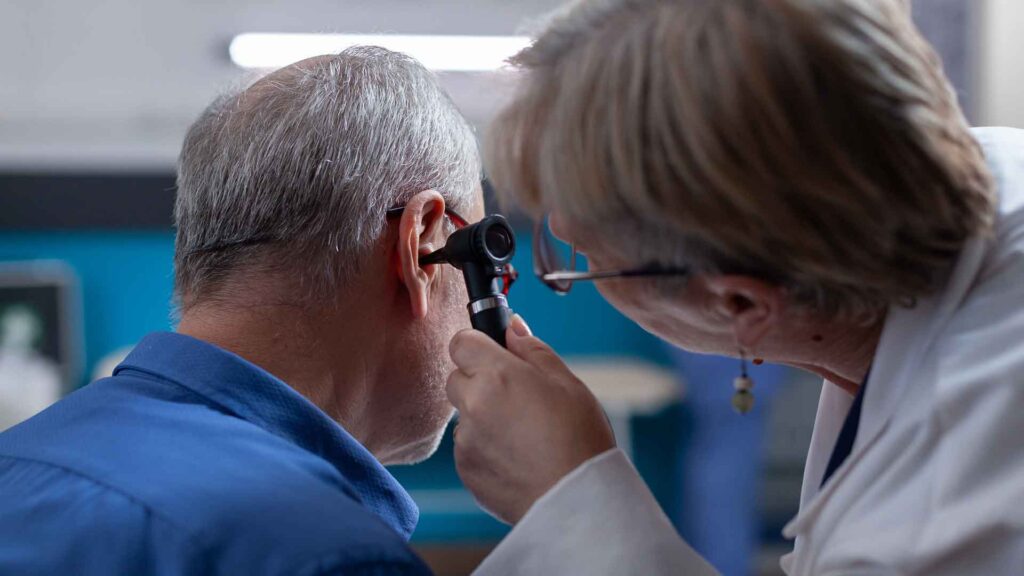
At Pharmacyexprezz in Great Yarmouth, our GPhC-registered clinicians inspect the ear canal using professional video otoscopy to diagnose and resolve ear discomfort swiftly. In this complete guide, we outline key symptoms, side-by-side comparison markers, red-flag warning signs, and safe clinical remedies.
What Is Impacted Earwax?
Earwax (cerumen) is a natural, protective substance produced by glands in the outer ear canal. It traps dirt, dust, and micro-particles while lubricating the skin inside the ear. Under normal circumstances, earwax migrates out of the ear naturally through jaw movements like chewing and talking.
However, earwax becomes impacted when it gets pushed deep into the canal or when the body overproduces wax. Common causes include:
Frequent use of cotton buds or earplugs pushing wax inwards.
Wearing hearing aids or in-ear headphones for extended periods.
Naturally narrow or tortuous ear canals.
Primary symptoms of earwax buildup: A gradual reduction in hearing, a feeling of “blockage” or fullness, mild itching, ringing in the ear (tinnitus), or popping sounds when yawning.
Skip the wait for a GP appointment
Book online in minutes and get treated at a time that suits you, often within the same week. Professional microsuction earwax removal at our private clinic with no long waiting lists.
Understanding Ear Infections
Unlike earwax blockage, an ear infection occurs when bacteria, viruses, or fungi multiply within the ear structure. Ear infections generally fall into two primary categories:
Otitis Externa
(Outer Ear Infection / “Swimmer’s Ear”): Infection of the skin lining the ear canal, often triggered by trapped water, skin conditions like eczema, or mechanical irritation.
Otitis Media
(Middle Ear Infection): Infection behind the eardrum, frequently occurring alongside upper respiratory infections, colds, or sinus congestion.
Primary symptoms of an ear infection: Acute or sharp earache, localized tenderness when touching or pulling the outer ear, visible discharge (yellow, green, or foul-smelling liquid), fever, and significant inflammation.
Side-by-Side Comparison: Ear Wax vs Ear Infection
To help you quickly identify what you may be experiencing, review the clinical diagnostic features below:
Common Triggers & Risk Factors
Understanding what leads to both conditions can help you take preventative measures:
Anatomy
Naturally narrow or winding ear canals trap wax more easily.
Age
Earwax tends to become drier and harder as we get older, making natural migration difficult.
Workplace Environments
Dusty or dirty work settings increase debris accumulation inside the ear.
Ear Infection Risk Factors
Red-Flag Symptoms & When to Seek Prompt Care
Clinical Safety Warning: Never attempt to remove impacted wax or clear an ear infection using cotton buds, hairpins, or ear candles. These methods risk perforating the delicate tympanic membrane (eardrum) or pushing infection deeper into the auditory canal.
You should seek immediate assessment from a qualified healthcare practitioner if you experience any of the following “red-flag” indicators:
Safe Treatments: Microsuction vs Medication
Treating ear issues effectively depends entirely on an accurate visual diagnosis:
Gold-Standard Microsuction
If excess cerumen is causing blockage, microsuction earwax removal is widely recognized as the safest, cleanest, and most effective medical procedure. Using low-pressure suction and a high-definition video otoscope, a trained clinician gently vacuum-removes the wax under direct visualization without pumping water into the ear canal.
Targeted Antimicrobial Care
If an infection is identified during otoscopy, microsuction may not be performed immediately. Instead, appropriate clinical treatment such as prescription antibiotic or antifungal ear drops, oral pain relief will be advised to resolve the underlying inflammation.
Practical Prevention & Daily Ear Care Tips
To keep your ears healthy and reduce the likelihood of both wax buildup and infection:
Keep Ears Dry
Gently dry your outer ears with a soft towel after swimming or showering. Tilt your head to allow trapped water to drain.
Avoid Inserting Objects
Never stick cotton buds, fingers, or objects into your ear canal; they pack wax deeper and create micro-tears prone to infection.
Manage Earphone Use
Clean ear tips regularly and take frequent breaks from in-ear headphones or hearing aids to allow the canal to ventilate naturally.
Use Softening Drops Mindfully
Olive oil or sodium bicarbonate drops can help soften hard wax prior to professional removal, but avoid drops entirely if you suspect a perforated eardrum or active infection.
Schedule Your Ear Health Check
Select your preferred date and time at our private clinic.
Frequently Asked Questions
Can an earwax blockage turn into an ear infection?
Yes. When earwax becomes heavily impacted, it can trap moisture and debris in the ear canal behind the blockage. This damp, dark environment provides an ideal growth setting for bacteria or fungi, potentially leading to an outer ear infection (Otitis Externa).
Can microsuction be performed if I have an active ear infection?
In most cases, active infections with significant swelling, tenderness, or open inflammation are treated with antimicrobial ear drops first before microsuction is attempted. However, if excess wax or infection debris is preventing medicated drops from reaching the canal wall, a clinician may perform gentle suctioning to clear the path for treatment.
Why does my ear hurt when I use earwax softening drops?
Ear drops like olive oil or sodium bicarbonate expand the earwax as it softens. If your ear canal is already fully blocked, this expansion can temporarily increase pressure against the eardrum, causing mild discomfort. However, if you experience sharp, stinging, or severe pain upon inserting drops, stop using them immediately, as this may indicate an eardrum perforation or underlying infection.
How long does it take for an ear infection to go away compared to wax removal?
Earwax blockage offers instant relief once removed via microsuction. In contrast, an ear infection typically takes between 3 to 7 days to resolve with targeted antibiotic or antifungal ear drops, with pain subsiding significantly after 24–48 hours of treatment.
Is it safe to clear earwax at home using hydrogen peroxide or ear candles?
No. Ear candles carry a severe risk of burns, hot wax dripping onto the eardrum, and outer ear injury without any clinical evidence supporting their effectiveness. Hydrogen peroxide solutions can also cause severe skin irritation, tissue drying, or inflammation inside the ear canal. Professional examination and microsuction remain the safest options.
blocked ears, ear infection symptoms, ear pain causes, ear wax or infection, ear wax removal Great Yarmouth, ear wax symptoms, ear wax vs ear infection, microsuction ear wax, pharmacyexprezz