Blood Tests in Norfolk: What Blood Test Do I Need? A Simple Guide

Table of Contents
Written for Pharmacyexprezz & Pivate Clinic: Reviewed by Waheedat Owodeyi. Superintedent Pharmacist. General Pharmaceutical Council Registraion Number 2065550..
With so many different blood tests available, it can be difficult to know where to begin.
Do you need an iron test, a thyroid test, a vitamin check or a more comprehensive health panel? Is one test enough, or would several related markers provide a clearer picture?
The answer depends on:
Choosing the Right Blood Test
Your Symptoms
Specific physical signs like fatigue, hair thinning, or low mood help narrow down targeted markers.
Symptom Duration
Whether your symptoms are recent or long-standing guides whether acute or broad panels are needed.
Medical & Family History
Pre-existing health conditions and family predispositions highlight high-priority health markers.
Medicines & Supplements
Current prescription drugs, over-the-counter remedies, or supplements can directly impact biomarker levels.
Your Age & Sex
Biological baselines and age-specific reference ranges determine which hormone and health panels are relevant.
Testing Purpose
Whether you are investigating a specific health concern or establishing a baseline health check.
There is no single blood test that checks everything. The most useful test is one chosen to answer a clear health question. NHS guidance explains that blood tests may be used to investigate symptoms, monitor a known condition, check how organs are functioning or assess the effects of medicines.
This guide explains some of the most commonly considered blood tests in straightforward language. It can help you prepare for a conversation with a healthcare professional, but it should not be used to diagnose yourself.
A Quick Guide to Choosing a Blood Test
The following table provides general examples. It does not mean that everyone with a particular symptom needs every test listed.
Full blood counts, glucose tests, thyroid tests, cholesterol tests and kidney-function tests are among the commonly used investigations described by the NHS. However, results must be interpreted alongside symptoms and medical history.
Ready to Book Your Blood Test?
Select your required blood profile or consult with our private clinic specialists today.
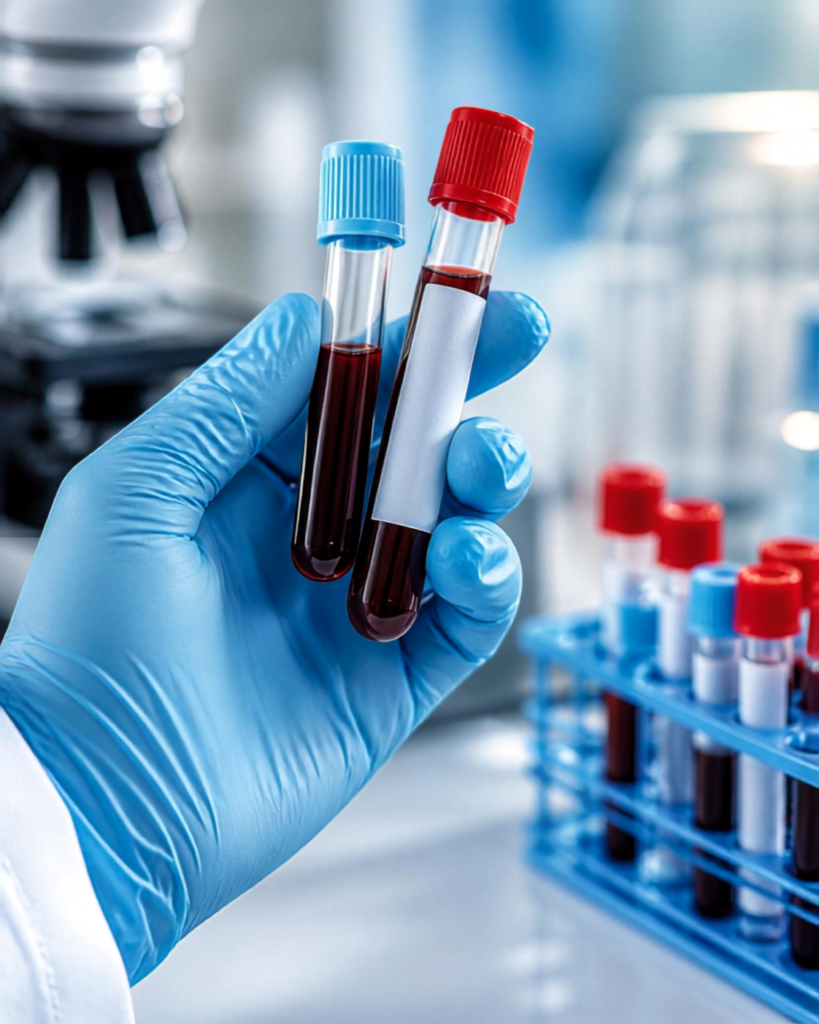
Which Blood Test Is Best for Tiredness?
Tiredness is one of the most common reasons people consider having a blood test. It can be associated with many different factors, including poor sleep, stress, iron deficiency, anaemia, thyroid problems, vitamin deficiencies, diabetes and some long-term medical conditions.
To look for anaemia and changes in blood cells.
To assess the body’s stored iron.
To investigate certain nutritional deficiencies and forms of anaemia.
To assess whether the thyroid may be underactive or overactive.
To assess average blood-sugar levels.
This may be considered when symptoms or risk factors suggest a possible deficiency.
To check whether these organs may be contributing to symptoms.
A full blood count can identify anaemia, while ferritin gives additional information about iron stores. Ferritin results still need context because inflammation and some health conditions can affect the result.
Because Pharmacyexprezz already has a dedicated resource covering fatigue-related testing, this guide does not explore every possible cause in detail. Read our tiredness blood-testing guide for a more focused explanation.
Persistent or worsening tiredness should not automatically be attributed to a vitamin deficiency. Speak to a healthcare professional, particularly when it is accompanied by breathlessness, unexplained weight loss, bleeding, persistent fever, severe weakness or other new symptoms.
Do I Need a Full Blood Count?
Full Blood Count (FBC)
Measures key cellular components in blood:
Commonly used when investigating symptoms such as tiredness, weakness, breathlessness, unusual bruising, or recurrent infections.
An FBC can show whether anaemia may be present, but it does not always identify the underlying cause.
Ready to Book Your Blood Test?
Select your required blood profile or consult with our private clinic specialists today.
Should I Check My Iron or Ferritin?
Ferritin is commonly tested when iron deficiency is suspected. It provides information about stored iron and is often considered when someone has:
Persistent fatigue
Heavy menstrual bleeding
Pale skin
Breathlessness
Restless legs
Reduced exercise tolerance
Unexplained hair shedding
Dietary Risk Factor: A diet that may be low in iron
A ferritin result should normally be considered alongside a full blood count and the person’s symptoms. A low ferritin level can support a diagnosis of iron deficiency, but a normal or raised result does not always rule it out when inflammation or illness is present.
For more detailed information, see our ferritin and iron-level testing page rather than repeating the full specialist explanation here.
Which Blood Test Checks for Diabetes?
HbA1c is commonly used to assess average blood-glucose levels over approximately the previous two to three months. Unlike a single glucose reading, it provides a broader view of recent blood-sugar control.
A test may be appropriate when someone has symptoms such as:
Blood Sugar & HbA1c Indicators
- Increased thirst
- Passing urine more frequently
- Unexplained tiredness
- Blurred vision
- Recurrent infections
- Slow wound healing
- Unintentional weight loss
Type 2 diabetes may also be present without obvious symptoms, particularly in people with recognised risk factors. Diagnosis should be based on appropriate testing and professional interpretation rather than symptoms alone.
Our HbA1c and diabetes blood-test page explains this test separately.
Ready to Book Your Blood Test?
Select your required blood profile or consult with our private clinic specialists today.
What Blood Test Checks the Thyroid?
Thyroid-function testing usually begins with thyroid-stimulating hormone, known as TSH. Free T4 may also be measured, and additional thyroid markers may be included when clinically appropriate.
Thyroid testing may be considered for symptoms including:
Thyroid Function Indicators
- Unexplained tiredness
- Weight gain or weight loss
- Feeling unusually cold or hot
- Palpitations
- Changes in bowel habits
- Dry skin & hair changes
- Menstrual changes
- Anxiety
- Low mood
- Difficulty concentrating
These symptoms are not specific to thyroid disease, so results must be interpreted alongside the wider clinical picture. TSH and T4 are commonly used when assessing whether the thyroid is underactive or overactive.
Which Blood Test Checks Heart-Health Risk?
A cholesterol or lipid profile measures fats in the blood. Depending on the panel, it may include:
Lipid Profile Markers
A comprehensive lipid panel measures these essential cardiovascular indicators:
High cholesterol does not usually cause symptoms. A blood test is therefore needed to know whether cholesterol is raised. Results should be considered alongside factors such as blood pressure, smoking, diabetes, age and family history.
HbA1c may also be useful because diabetes can increase cardiovascular risk. A blood test does not replace a blood-pressure check or a wider cardiovascular assessment.
Should I Have My Liver and Kidneys Checked?
Kidney-Function Tests
Includes creatinine and eGFR to assess how effectively the kidneys filter the blood.
- Have diabetes or high blood pressure
- Take medicines that can affect kidney function
- Have a known kidney condition
- Have swelling, changes in urination, or other symptoms
- Require routine monitoring
Liver-Function Tests
Includes a group of markers to investigate symptoms, monitor conditions, or check medicine effects.
- Pattern of blood results
- Symptoms and medical history
- Alcohol intake & weight
- Current medications
Do I Need Vitamin B12, Folate or Vitamin D Testing?
Vitamin testing should be selected according to symptoms, diet, medical history and risk factors rather than added automatically to every blood panel.
Vitamin B12 and folate may be considered for people experiencing:
Vitamin B12 & Folate Profile Indicators
- Persistent tiredness
- Pins and needles
- A sore or red tongue
- Memory or concentration difficulties
- Certain types of anaemia
- Dietary or absorption concerns
Blood tests are used as part of the assessment for vitamin B12 or folate deficiency, but symptoms and clinical history remain important.
Vitamin D testing may be considered when symptoms, health conditions, lifestyle or other risk factors make deficiency more likely. It should not be presented as the answer to every case of tiredness, muscle pain or low mood.
Ready to Book Your Blood Test?
Select your required blood profile or consult with our private clinic specialists today.
Which Hormone Blood Tests Do I Need?
Hormone testing is most useful when it is linked to a clear question. The correct test and timing may depend on sex, age, symptoms, menstrual cycle, pregnancy status and current medication.
Irregular Periods & Fertility Testing
Depending on your specific concerns, tests may include the following key evaluations:
Some hormone results vary throughout the menstrual cycle, so timing can be important. Testing without considering cycle timing may make the result difficult to interpret.
Perimenopause and menopause
Not everyone experiencing menopause symptoms needs an FSH or other hormone blood test. NICE advises that, in otherwise healthy people aged 45 or older with typical symptoms, perimenopause or menopause can usually be identified clinically without confirmatory laboratory tests. Testing may still be appropriate in selected circumstances.
Testosterone testing
Testosterone testing may be considered for men experiencing reduced libido, erectile difficulties, loss of muscle strength or other relevant symptoms. It is not advisable to diagnose testosterone deficiency from symptoms or a single unplanned test alone.
A morning sample and broader clinical assessment may be required. Read our specialist guide to low-testosterone symptoms and testing rather than relying on this general overview.
What Do Inflammation Blood Tests Show?
CRP and ESR are blood tests that can help indicate whether inflammation may be present.
They are not diagnoses by themselves. A raised result cannot usually identify the exact location or cause of inflammation, and a normal result does not rule out every condition.
More specific autoimmune tests should generally be selected in response to symptoms and clinical findings rather than ordered as a broad screening package without context. Our separate CRP blood-test guide explains the purpose and limitations of CRP testing in more detail.
Ready to Book Your Blood Test?
Select your required blood profile or consult with our private clinic specialists today.
Do Digestive Symptoms Require a Blood Test?
Blood tests may form part of the assessment for persistent digestive symptoms, depending on the exact problem.
Possible investigations include:
Comprehensive Health Screening Profile
Full blood count
Ferritin
Vitamin B12 and folate
Liver function
Inflammation markers
Coeliac screening
When having a blood test for coeliac disease, it is important to continue eating gluten beforehand. Removing gluten from the diet before testing can make the blood-test result less reliable.
Persistent abdominal pain, blood in the stool, repeated vomiting, difficulty swallowing, a new abdominal lump or unexplained weight loss should be medically assessed rather than managed through self-selected blood testing alone.
Is a Single Test or a Blood-Test Panel Better?
Single Targeted Test
Sufficient when there is one clear clinical question or specific suspicion.
- HbA1c: Assess average blood-glucose levels
- Ferritin: When iron stores are the main concern
- Vitamin D: When deficiency is specifically suspected
- Pregnancy Hormone: For pregnancy-related questions
Comprehensive Panel
More useful when investigating broader symptoms or multiple factors.
- Symptoms could have several underlying causes
- You require a broader health overview
- A healthcare professional recommends related markers
- Monitoring a known medical condition
- An earlier result requires further investigation
Ordering the largest available panel is not always the best approach. Results that fall slightly outside a laboratory reference range do not necessarily indicate disease, and testing without a clear purpose can lead to confusion or unnecessary follow-up.
At Pharmacyexprezz, a healthcare professional can help you consider whether a focused test, a related group of markers or a broader private health check is more appropriate.
Ready to Book Your Blood Test?
Select your required blood profile or consult with our private clinic specialists today.
Rapid Blood Tests or Laboratory Blood Tests?
Pharmacyexprezz provides both rapid in-clinic testing and blood samples that are sent to a laboratory.
Rapid Blood Testing
Fast, targeted evaluations during your appointment.
- Suitable when you need a focused result quickly
- Many use a small finger-prick sample (method depends on test)
- Selected results available within 10 to 30 minutes
Laboratory Blood Testing
Comprehensive panels requiring full laboratory analysis.
- Several markers are required simultaneously
- A more comprehensive panel is needed
- The requested test is not available as a rapid test
- A venous sample is necessary
Samples are collected at Pharmacyexprezz and sent to a partner laboratory. Many routine laboratory results are available within approximately 48 to 72 hours, although specialist tests may take longer.
Ready to Book Your Blood Test?
Select your required blood profile or consult with our private clinic specialists today.
Do I Need to Fast Before a Blood Test?
Not every blood test requires fasting.
You should only fast when you have been specifically instructed to do so. The preparation depends on the test and the laboratory’s requirements. Many cholesterol tests, for example, can be completed without fasting, although fasting may still be requested in particular circumstances.
Before your appointment:
General Appointment Preparation
- Follow the preparation instructions provided.
- Drink water unless you have been told otherwise.
- Bring a comprehensive list of your medicines and supplements.
- Do not stop taking prescribed medication unless your prescriber has instructed you to do so.
Clinical Considerations & Timing
- Tell the practitioner if you are pregnant or may be pregnant.
- Ask whether the test needs to be timed around medication, the menstrual cycle, or specific times of day.
Blood samples may be collected by finger prick or from a vein in the arm, depending on the investigation required.
What Do My Blood-Test Results Mean?
Age
Sex
Pregnancy
Medicines
Supplements
Hydration
Recent illness
Exercise
Time of day
Menstrual cycle
Whether the person fasted
A result outside the laboratory range does not always mean that you have a medical condition. Similarly, a result within range does not always explain persistent symptoms or rule out every illness.
Results should be reviewed alongside symptoms, medical history and previous results. Depending on the findings, you may be advised to repeat a test, speak to your GP or have further investigations.
Ready to Book Your Blood Test?
Select your required blood profile or consult with our private clinic specialists today.
When Is a Blood Test Not the Right First Step?
A private blood test should not delay urgent medical care.
Call 999 for life-threatening symptoms. Use NHS 111 for urgent medical help when the situation is not immediately life-threatening.
When to Seek Immediate Assessment
Arrange prompt medical care if you notice any of the following symptoms:
- A new or unexplained lump
- Unexplained bleeding
- Blood in your urine, vomit, or stool
- Significant unintentional weight loss
- Severe or worsening breathlessness
- Persistent fever or drenching night sweats
- Severe abdominal or chest pain
- New neurological symptoms
- Rapid deterioration in health
- Concerns during pregnancy
These symptoms do not necessarily mean that someone has a serious condition, but they should be assessed properly rather than relying only on a self-selected blood-test panel.
Can a General Blood Test Check for Cancer?
There is no single routine blood test that checks for every type of cancer.
Blood tests can sometimes identify abnormalities that require further investigation, but they cannot diagnose or exclude all cancers by themselves. The appropriate assessment depends on the symptoms and may include examination, imaging, specialist blood tests, endoscopy or biopsy.
Anyone with a persistent new lump, unexplained bleeding, unusual weight loss or another concerning symptom should contact their GP rather than relying on a general health panel.
Frequently Asked Questions
What is the best blood test for a general health check?
Can I choose my own blood test?
Do I need a GP referral?
Can one blood test check everything?
Do all blood tests require fasting?
Can I receive results on the same day?
What happens if my result is abnormal?
Can normal blood results rule out every medical condition?
blood tests great yarmouth, blood tests in Norfolk, ferritin test, hba1c test, pharmacyexprezz, private blood tests Norfolk, thyroid blood test, tiredness blood test, which blood test do I need