Are you checking for pregnancy or monitoring fertility treatment? The Rapid Beta hCG Test provides a quantitative measurement of the hormone that is used to confirm pregnancy. Get results fast and conveniently with our in-pharmacy rapid test.
This test is available for £40 at Pharmacy Exprezz (NR30 1LS).
Harley Diagnostics
Benefits of Monitoring Your Beta hCG Levels
Human Chorionic Gonadotropin (hCG) is often called the “pregnancy hormone.” Measuring its level is essential for early confirmation and providing important data in the first stages of gestation.
Earliest Confirmation
hCG is detectable in the blood soon after implantation, offering the earliest chemical confirmation of pregnancy.
Quantitative Result
Provides a precise numerical value (mIU/mL) rather than just a simple "positive/negative" result.
Fertility Treatment Monitoring
Essential for confirming whether IVF or other fertility treatments have been successful.
Early Viability Insight
Though a single number is not diagnostic, repeat testing allows clinicians to check if the level is rising appropriately (doubling time).
Harley Diagnostics
When to consider having a hCG Test?
A test is typically sought either when pregnancy is desired or when symptoms suggestive of pregnancy appear. A test is recommended if you experience any of the following:
Nausea, vomiting, breast tenderness, or increased fatigue.
3
Suspected Ectopic Pregnancy
Testing is crucial if severe abdominal pain or unusual bleeding occurs, as an elevated hCG level must be interpreted quickly in this context.
4
Following Fertility Treatment
Essential to determine the success of insemination or embryo transfer procedures.
How it works
How Does the Rapid Beta hCG Test Work in Great Yarmouth?
Our rapid test is a simple and highly precise way to measure your Beta hCG levels using advanced Point-of-Care technology. The test focuses specifically on the Beta subunit of the hCG molecule for accuracy.
A small blood sample is collected and applied to a special test card.
The test card is inserted into an analysis machine.
Results are provided within 15 minutes, right at the pharmacy.
The clinic can also give you advice or signpost you to your GP, if required
Overview
What does the test look for?
The test measures the concentration of the Human Chorionic Gonadotropin (beta-hCG) in your serum, measured in (mIU/mL). This hormone is produced by the placenta shortly after the fertilised egg implants in the uterus. The quantitative result is interpreted based on the typical ranges expected for different stages of gestation.
Your details will be confirmed by a member of the team performing the test.
2
Blood Collection
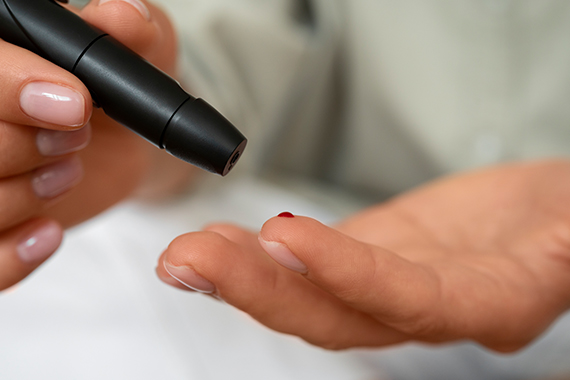
The professional will perform a simple and minimally invasive finger-prick to collect a small blood sample.
3
Rapid Analysis
The blood sample is analysed on-site using a special test card and a test analysing machine.
4
Results
You will receive your results in just 10–15 minutes, allowing for rapid insight into your hormone status.
5
Advice
The clinic might also provide advice or they may signpost you to your GP if required.
Harley Diagnostic
What do your Beta hCG test results mean?
The rapid beta-hCG test provides a quantitative result showing your hormone level (mIU/mL), which is used to assess your pregnancy status and stage of gestation.
Weeks Gestation
hCG+β Level (IU/L) or (mIU/mL)
What do your results indicate?
Not Pregnant
<5
Not Pregnant:
Levels below 5 IU/L usually suggest no pregnancy. You may retest in 5–7 days if you suspect pregnancy.
3 – 4 weeks
5 – 10,000
Early pregnancy:
This range indicates implantation and early pregnancy. Due to the wide range, clinicians focus on the rate at which the level doubles (usually every 48–72 hours) to assess viability. Retest in 3–5 days to confirm and monitor progression.
4 – 5 weeks
1,000 – 50,000
Early pregnancy:
This range indicates implantation and early pregnancy. Due to the wide range, clinicians focus on the rate at which the level doubles (usually every 48–72 hours) to assess viability. Retest in 3–5 days to confirm and monitor progression.
5 – 6 weeks
10,000 – 100,000
Early pregnancy:
Indicates early pregnancy. hCG levels are highly variable, with levels peaking in mid-pregnancy and then declining before stabilising. Assessing menstrual cycle history and ultrasound scans are more accurate at predicting gestational age.
6 – 8 weeks
15,000 – 100,000+
Early pregnancy:
Indicates early pregnancy. hCG levels are highly variable, with levels peaking in mid-pregnancy and then declining before stabilising. Assessing menstrual cycle history and ultrasound scans are more accurate at predicting gestational age.
Please be aware that different laboratories, manufacturers, and providers may use slightly different reference ranges. The reference ranges provided on this page are for general guidance only and represent commonly accepted clinical thresholds.
This rapid blood test is designed solely as an initial screening tool for triage and is not a substitute for a full lab-based venous blood draw. The results offer quantitative insights but are for informational purposes only and should not be considered a medical diagnosis. Any abnormal or significant result must be followed up with a medical assessment with your doctor and potential confirmatory lab-based testing.
Beta-hCG is the specific part of the Human Chorionic Gonadotropin hormone that is measured to confirm and monitor pregnancy. It is detectable in the blood much earlier than in urine.
When is the best time to take the test?
The test can often detect pregnancy earlier than a home urine test, sometimes as early as 8-11 days after conception. However, accuracy improves closer to the date of your missed period.
Does a high hCG level confirm a healthy pregnancy?
A high hCG level confirms the presence of a pregnancy, but not necessarily its health or location. A diagnosis of viability always requires clinical confirmation (e.g., ultrasound) and repeat blood draws to check the doubling rate.
Who should consider getting a rapid Beta hCG test?
Anyone aged 18 or over who has missed a period, is trying to conceive, or is undergoing fertility treatment should consider this test.
Does the test require any special preparation, like fasting?
No, the test is a simple finger-prick blood test that does not require you to fast.
Is the test suitable for under-18s?
The service is primarily for adults; therefore, we can only offer this test to those aged 18 years and over. Please consult with your GP if you are under 18 years old.
What should I do if my level is high?
If your test confirms a pregnancy, you should contact your GP or midwife as soon as possible for assessment and routine scans.
We use cookies to ensure that we give you the best experience on our website. If you continue to use this site we will assume that you are happy with it. Check the website footer for links to our privacy and cookie policy.









.png)